



































Deputy Prime Minister and Foreign Minister Senator Mohammad Ishaq Dar stated on Friday that India’s violation of the Indus Water Treaty at a critical juncture in Pakistan’s agricultural cycle poses a direct threat to the lives, livelihoods, food security, and economic stability of Pakistani citizens.
His remarks came a day after the Foreign Office sought clarification from India regarding a sudden variation in the flow of the Chenab River.




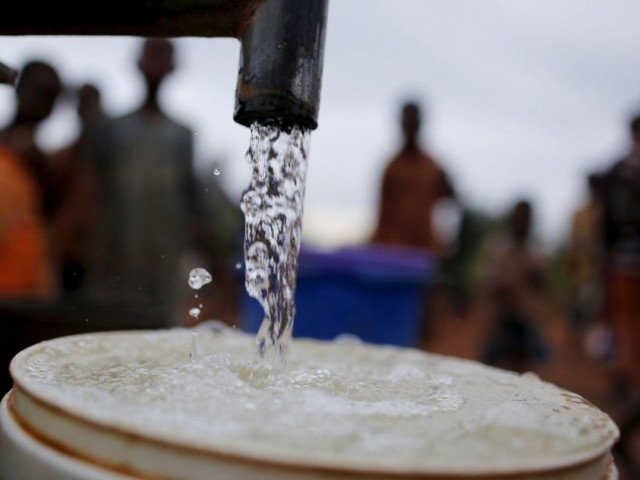
Addressing a media briefing in Islamabad, Ishaq Dar condemned violation of the Indus Water Treaty (IWT) by India, adding that the recent actions were a clear example of India’s weaponization of water—a matter that Pakistan has consistently raised with the international community.
“India’s manipulation of water during such a crucial time for our agriculture cycle directly threatens the lives, livelihoods, food security, and economic stability of our citizens,” Dar said.
He urged India to refrain from any unilateral manipulation of river flows and to fulfill its obligations under the IWT in both letter and spirit.
“This is not an isolated incident. India’s ongoing violations of the IWT are part of a systematic effort to undermine the treaty,” he added.
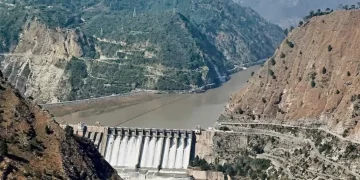
Ishaq Dar also criticized India’s construction of hydropower projects like Kishanganga and Ratle, which he noted violated the treaty’s technical specifications. “India continues to build illegal dams in blatant disregard of the treaty obligations, imposing a fait accompli,” he remarked.
He emphasized that with each new dam, India’s capacity to store and manipulate water increases, which poses a direct threat to Pakistan’s security, economy, and the livelihoods of its 240 million people.